Saturday, December 3, 2016

What is Data?


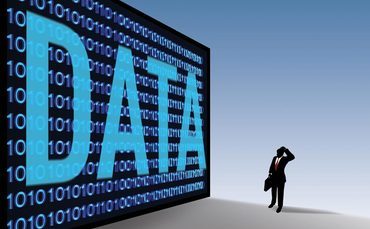
What is this thing we call data? As I was completing my 3 mile run this morning I started thinking about data and how influential it is in our lives. What is data? Data is everything around us. As we are driving, walking, running, talking, etc.. our minds are constantly collecting data and filtering whether it is useful or not. When I am running, I need to know where everyone else is on the track (data) for safety purposes. When we are driving we constantly check our mirrors and gauges (data) to ensure our vehicles will make it to the destination safely. When we are interacting with people we are taking in verbal and non-verbal cues (data) to let us know if we are communicating effectively. When striving to reach your goals you should be checking the progress (data) along the journey to ensure you are on track. I could go on with multiple examples, but I feel you have the picture.

The data we collect (whether consciously or subconsciously) should be utilized to make informed decisions. If my lap time is getting slower during my morning run, I must ask myself what steps are needed to get back on track.  If you notice that your weight is increasing although you are counting your calories, you must determine what needs to be done to fix the problem. When I was in the military I was reminded of a very simple, yet profound fact. Colonel Hall commanded, "Soldiers you have to be honest with yourself." While analyzing data, it's tempting to manipulate it to enable you to hold on to excuses that could potentially impede your success. Are you being honest with yourself? Deep down we know what needs to happen, but often we just don't make the necessary changes to get back on track.


Data is important for everything we do in life. Without interpretation of data we would not know if we have met our goals and could live in an endless cycle of success or failure. We need to be able to analyze the data to choose the appropriate path and monitor progress along the way.  As stated previously, data is data...numbers don't lie. However, data can be skewed to see whatever we want to see--it can make bad things look great and great things look bad. It all depends on the lenses being used.  My mother used to tell me, "Believe half of what you see and none of what you hear." As I got older I started to realize that the statement applies to data as well. The things we observe with our own eyes are primary sources, and depending on the frame of reference or lens we are utilizing, the data can be misinterpreted.


The things that we  hear are secondary sources and have been filtered through someone else's lens so we also have to utilize that data cautiously.


What does this mean for school leaders? As school leaders we are bombarded with data on a regular basis. Emails, text messages, phone calls, test scores, parents, teachers, and students to name a few. We have to be able to filter the data  expeditiously  to make the best decisions for our campuses. We have to implement systems that enable us to make conscientious decisions to allow our scholars to be successful. As school leaders we have to be able to filter and utilize the data to make informed decisions that impact student success. 

How do we filter the data? One source of data that I filter regularly is email. I accomplish this by turning off the automatic email notifications. Trust me if it is urgent and important they will call you. The next step is to start setting appointments twice a day to process your email. I schedule time to process my inbox and I have established rules to sort emails to different folders. You have to commit to the time just like it is an appointment with someone else. This is a first step to start filtering the data that prevents you from focusing on the things that will help you be successful.

What data do you use to impact the necessary change on your campus?

How often do you review the data?

What systems do you have in place to remove your bias from the data?

Monday, August 22, 2016

New Beginnings


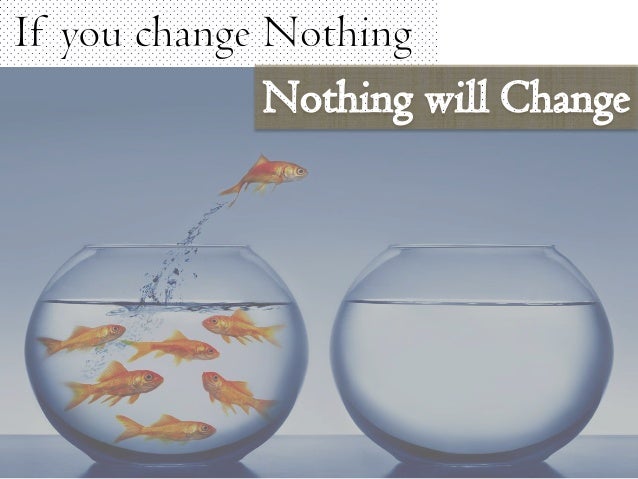
Well today starts a new beginning for many people. Whether it be a new job, new school, new teacher, new class, new town, you get the picture. Sometimes change can lead to FEAR (False Evidence Appearing Real) and you just want to (Forget Everything And Run). In order to grow you have to experience change. If we never changed we would all still be newborn babies. Change is what you make it. I encourage you to embrace change with open arms and learn something from the experience.

I think about when I first became a principal talk about being full of  fear. I was now responsible for the learning of 500 students plus teachers. While I wanted to run I had to face the challenge and change head on. The experience helped mold me to be the person I am today. It helped me become systems driven and strive to build relationships. As I reflect on my journey I know if I didn't have that experience I wouldn't be the leader I am today.

This summer I started a new health regime. I run/walk or go to the gym daily. As I was sweating through my cardio today I realized how far I have progressed from just 2 weeks ago. The mountain climbers weren't as hard this morning. I wouldn't have made that progress if I hadn't decided to try something new and change my old habits.  Henry Ford said it best "If you always do what you have always done, you'll always get what you've always got."

My words of wisdom for you:
You have to want to change and accept the fact that there might be some pain experienced with the change but in the end you should become a better person. This day will only come once for you so make the best of it. Strive to make a positive difference in the lives of the people you meet today.


Saturday, January 23, 2016

What is Leadership?


“Image courtesy of  Stuart Miles at FreeDigitalPhotos.net” 
What is leadership? When you look up leadership in the dictionary or via Google you find multiple definitions. Business News has a blog post titled 30 Ways To Define Leadership. Generally, leaders are people who know how to achieve goals and inspire people along the way. Dwight Eisenhower once said that leadership is the art of getting someone else to do something you want done because he wants to do it. John Maxwell simply defines leadership as influence.


I remember my first year as a principal. I was directed that there needed to be major organizational, academic, and cultural changes immediately at the school. These changes would require realignment and restructuring of staff which would ruffle many feathers, especially for teachers and grade levels directly affected by the changes.

Major change is not a practice experts usually recommended for new leaders, the recommendation is that new leaders observe and gradually make changes the first year and then make the major ones in subsequent years. This was also my introduction to Turn-Around principals and schools. 

Leadership requires thick skin. I am not going to say the first year was perfect in fact I learned real fast some things not to do when it comes to leadership. I realized that you will never make everyone happy and if you continue trying to make everyone happy you will be the one unhappy on that quest. I learned not to take things personal. I also realized that everyone will not like you or respect you just because you are the formal leader.

Leaders must rely on both types of leaders--informal and formal. The informal leaders are sometimes the catalysts to getting initiatives done. Most people value the opinion of the informal leaders. When I think about my role as a leader, I think about how much and how little influence I have. Early in my career as a principal, I recognized who the informal leaders were almost immediately. These were the people that would come to me saying several people have asked me to ask you this or that. They would ask me to reconsider some of the changes I wanted to implement. I recognized that I had to acknowledge this informal authority and utilize this hierarchy to get some buy-in for a first win. So many times new leaders go into situations wanting everything to be about them. They have the "my way or no way mentality" and want to change everything to how they like it. I shared with the informal leaders why the changes were being made and how it would impact the students. 

I discovered that at the end of the day leadership is about making decisions based on the facts you have at that moment and keeping the main thing the main thing (student achievement and success). I also understood that there is always more than one way to come to a solution. 4+5=9 but so does 7+2, 1+8, and 6+3, you get the point. I realized that I must keep an open mind and take into consideration suggestions from other people. 

The most important lesson I learned is that you have to build relationships with everyone, regardless of your personality style. If you are an introvert you have to learn how to function as an extrovert. If you are an extrovert you have to learn how to function as in introvert. 


Communication is vital in any position. My mantra is that 99.95% of any problem is either miscommunication or no communication. It is very difficult to over communicate in fact I don't think it is possible to over communicate. And if you fix the communication issue the problem will usually get solved.

What are some best practices you learned as a leader?


What are some things you learned not to do as a leader?


How well do you communicate as a leader?